
No products in the basket.
Blog
How to Use Erection Cream for Better Results
17
Nov
A cream can sound like the quickest route from ‘not tonight’ to ‘get your kit off’. But knowing how to use erection cream properly matters more than slapping it on five minutes before the fun starts. Different products do very different jobs, and the wrong one, in the wrong place, can turn a sexy plan into a stingy disaster.
Erection worries are common, whether they show up once after a few too many pints or keep cropping up. A topical product may have a place in your routine, but it is not magic, and it is definitely not a reason to ignore pain, numbness or ongoing changes in your erections.
What do you mean by erection cream?
The phrase gets used for a few different products. That is where people get caught out.
Prescription erection creams, including creams containing alprostadil, are medicines designed to help blood flow and treat erectile dysfunction. These are used exactly as prescribed, often with a very particular application method and dose. They are not the same thing as a tingling gel or a warming balm from an adult-fun shop.
Over-the-counter products sold as erection, performance or stimulation creams usually aim to create warmth, tingling or heightened sensation. Some may make your cock feel more responsive during foreplay, but they do not necessarily produce or maintain an erection, especially if the real issue is stress, medication, circulation, hormones or a health condition.
Then there are lubricants and anal-play creams. These are brilliant for reducing friction and making play feel better, but they are not erectile dysfunction treatments. Products such as Anal-Ese Cherry, Dare and Anal Blu are for the comfort, sensation or style of the play you are having, not a cure for a stubborn softie. Different mission, different bottle.
How to use erection cream safely
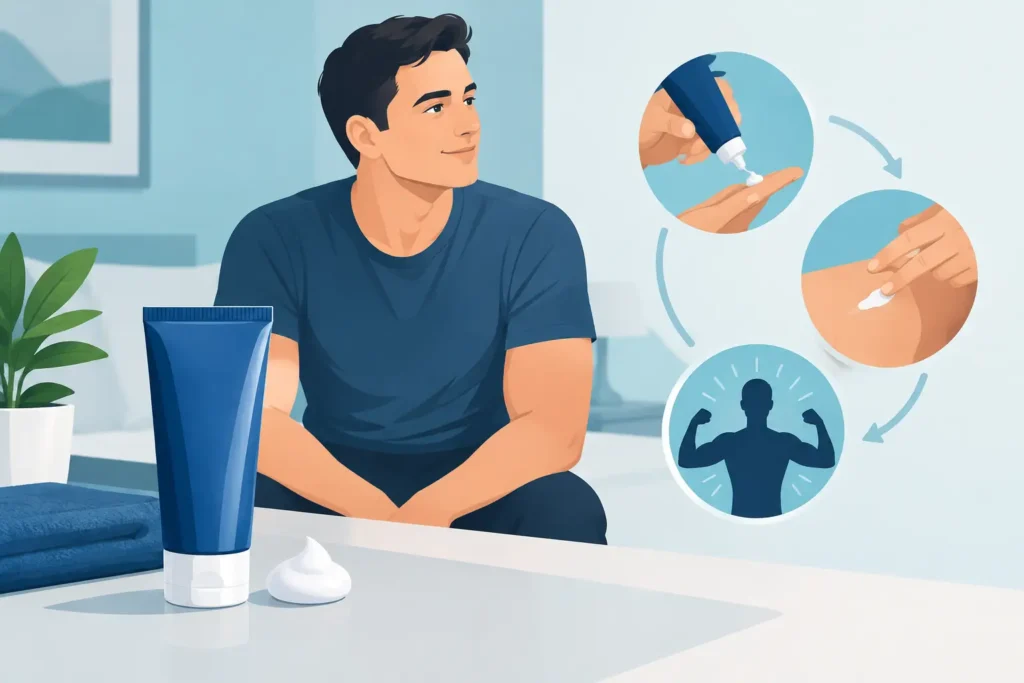
Start with the label, even if you think you know what you have bought. Check whether it is a medicine, where it is intended to go, how much to use, whether it is condom-compatible and how long it takes to work. Do not assume that ‘external use’ means every bit of external anatomy is fair game.
If it is a prescribed cream
Follow your prescriber’s instructions and the patient leaflet to the letter. Prescription creams may need to be applied to a precise area, using a supplied applicator or single-use dose. Do not use extra because the first dose feels underwhelming, and do not smear it across the shaft, balls or your partner unless the medicine specifically says you can.
Wash your hands before and after application. Give the cream the stated time to absorb or take effect before adding other products. If you use a condom, follow the leaflet’s advice about barrier protection and partner transfer. This can be particularly important if your partner is pregnant or could become pregnant.
Do not combine a prescribed erection cream with erection tablets, injections, constriction rings or other performance products unless the clinician who prescribed it has said that combination is suitable. More is not more when blood flow is involved.
If it is an over-the-counter stimulation cream
Use a tiny amount first. Seriously, tiny. A pea-sized amount can be plenty for a product made with warming, cooling or tingling ingredients. Put it only on the skin the label says is suitable, then wait. Rubbing in a huge dollop because you are impatient is how people discover that ‘extra hot’ was not an aspiration.
A patch test is worth doing before a big night. Try a small amount on less sensitive skin, such as your inner arm, and wait to see whether you get redness, itching or a rash. If the product is safe for genital use but your skin reacts badly, wash it off with lukewarm water and stop using it.
Avoid broken, freshly shaved or irritated skin. Do not apply it inside the urethra, anus or vagina unless it is specifically made and labelled for internal use. Keep it away from eyes, mouths and any place where a surprise chilli sensation would ruin the mood.
Once the product has absorbed, wash your hands before touching your partner or reaching for contact lenses. If you are using a condom, check the packaging rather than guessing. Some ingredients and oil-based formulas can weaken latex, while many water-based lubes are a simple, condom-friendly option.
Cream first, lube second
Erection cream and lubricant do different jobs, and using them in the right order helps both work better. Apply the cream first, give it time according to the label, then add your lube when you are ready for touching, toys, oral, vaginal or anal play.
Lube is not a sign that anything has gone wrong. It is a friction-fighter, a comfort upgrade and, frankly, one of the easiest ways to make a good session better. For condoms and most toys, water-based lube is often the uncomplicated choice. Silicone lube lasts longer for slippery sessions but can be a poor match for some silicone toys. Oil-based products can damage latex condoms, so save those for situations where they are appropriate.
If anal play is on the cards, do not confuse a desensitising product with an invitation to go harder or faster. Numbing creams can mask discomfort, which is your body’s useful ‘slow down, mate’ signal. Use plenty of suitable lube, start small, communicate and stop if anything feels sharp, burning or wrong. Anal-Ese Cherry and similar products should always be used according to their own directions, not treated as a shortcut past preparation.
What erection cream can and cannot fix
A sensation cream can add a bit of buzz. A prescribed treatment may help some people achieve an erection. Neither can manufacture desire, erase anxiety or make a partner psychic about what feels good.
If the issue is occasional, look at the boring-but-real stuff first: exhaustion, alcohol, recreational drugs, pressure to perform, relationship stress and a lack of warm-up can all affect erections. Taking the goal off penetration for a night can be surprisingly effective. Make out, use hands, bring in a toy, enjoy oral, have a laugh. An erection is welcome, not a performance review.
Be suspicious of any product promising instant, permanent or guaranteed results. Avoid unlabelled creams, mystery ingredients and products that do not clearly explain how to use them. Your dick deserves better than chemical roulette.
When to stop and get help
Stop using the product and seek advice from a pharmacist, sexual health clinic or GP if you get persistent burning, swelling, a rash, pain, unusual discharge or numbness that does not settle. If an erection lasts for four hours or more, go to A&E immediately. Do not wait it out, and do not feel embarrassed. Priapism needs urgent treatment to prevent damage.
It is also worth booking a GP appointment if erection problems are happening regularly, have come on suddenly, or are affecting your confidence and relationships. Erectile difficulties can sometimes be linked with blood pressure, diabetes, heart health, mental health or medication side effects. A proper conversation can get you a safer, more effective answer than endlessly trying stronger gels.
Make the night feel good, not pressured
The best product is the one that suits the kind of sex you actually want to have. Read the label, start light, use lube generously and keep checking in with your body and your partner. A little preparation means the only thing heating up is the atmosphere.
