
No products in the basket.
Blog
Is Silicone Lube Safe With Condoms? The Straight Answer
25
Jul
Jul
Condom on, lube out, good times pending – but is silicone lube safe with condoms? In most cases, yes. Silicone-based lube is generally safe to use with latex condoms, and it is a cracking choice when you want serious slip that lasts longer than a quick water-based top-up. There are a few material checks and toy-related catches worth knowing before you get gloriously slippery.
Is Silicone Lube Safe With Condoms?
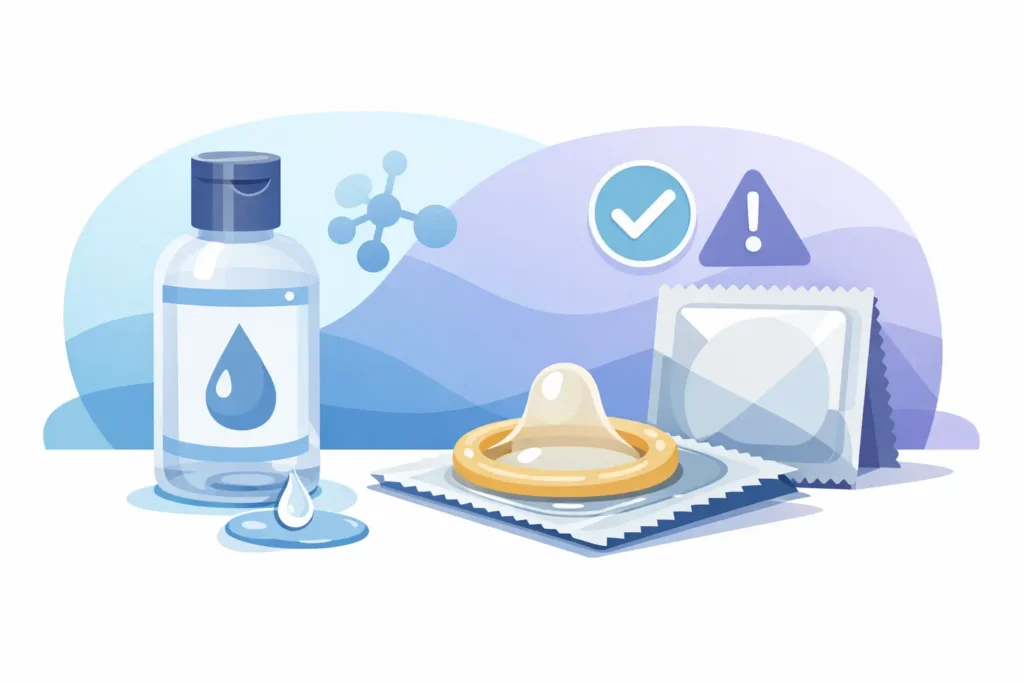
Yes, silicone lubricant is usually condom-safe. Unlike oil-based products, silicone lube does not break down latex, so it can be used with latex condoms without weakening them. That matters, because an oil-based massage oil, body lotion, petroleum jelly or kitchen cupboard experiment can damage latex and make a condom more likely to split. Sexy in theory, rubbish in practice.
Silicone lube is also commonly suitable for polyisoprene and polyurethane condoms. However, condom brands can have their own instructions, and formulas vary. The packet is the boss, so check the condom and lube labels if you are using anything other than a standard latex condom.
The short version: silicone plus condoms is usually a very happy pairing. Oil plus latex condoms is a definite no.
Why Silicone Lube Works So Well
Silicone lubricant sits on the skin rather than soaking in quickly. That makes it especially useful for sessions where friction is not invited – anal play, longer sex, shower fun, or any time you cannot be bothered with stopping every five minutes for another splash of lube.
Water-based lube is wonderfully versatile and easy to wash away, but it can dry out. Silicone lube tends to stay slick for longer and often needs less reapplication. A little can go a long way, so start small. You can always add more; turning the bed sheets into an ice rink is less efficient.
For anal sex in particular, plenty of lube is not an optional extra. The anus does not naturally lubricate in the same way as a vagina, and comfort should be the whole point. Go slowly, communicate, add more lube when needed and stop if something hurts. Pain is not a challenge to beat.
The Big Catch: Silicone Toys
Silicone lube may be great with condoms, but it can be a gamble with silicone sex toys. Some silicone lubes can react with some silicone toy materials, leaving the surface tacky, dull or damaged. Not every toy and lube combination will have a dramatic meltdown, but it is not worth sacrificing your favourite vibrator to science.
If you are using a silicone toy, water-based lube is usually the safer bet. If you are determined to use silicone lube, test a tiny amount on an inconspicuous patch first and leave it for a while. Check the toy maker’s care advice too.
Glass, metal and hard plastic toys are generally much more silicone-lube-friendly. Still, give everything a proper clean afterwards. Lube is meant to make play easier, not make your bedside drawer mysteriously sticky.
Condoms can make toy play simpler
Putting a condom over a toy can help with clean-up and may be handy when sharing toys between partners. But it does not automatically make silicone lube safe for the toy underneath. Lube can move around the base or edges, especially during enthusiastic use. When in doubt, use a water-based formula with silicone toys.
Check More Than the Lube Base
The word “silicone” tells you the lube base, but not every other ingredient in the bottle. Flavoured lubes, warming formulas, tingling products and desensitising creams all have their own job to do. That is why the label matters more than a product name or a colourful bottle.
If you are prone to irritation, choose a simple, body-safe lube and avoid adding a pile of novelty sensations at once. Fragrance, flavourings or warming ingredients can feel brilliant for one person and decidedly not brilliant for another. Patch-test if you have sensitive skin, and wash it off if you feel burning, itching or persistent discomfort.
For oral play, use products made and labelled for oral use rather than assuming every lube tastes nice. Spoiler: many do not. For vaginal sex, some people find certain lubes affect their comfort or balance, so switching to a gentler water-based option may suit them better.
What About Anal-Ese Cherry, Dare and Anal Blu?
If you are choosing between Anal-Ese Cherry, Dare or Anal Blu, do not guess based on the name, colour or how filthy the planned evening is. Check each product’s current label for its base and its condom-compatibility guidance. Formulations can differ, and products designed for anal comfort or enhanced sensation may contain active ingredients that need extra care.
A desensitising product can reduce discomfort, but it can also mask the body’s warning signs if you use too much. That does not mean never use one – it means take it easy, use the recommended amount and keep communication switched on. Numb is not the same as ready.
If condoms are part of your plan, a silicone-based lube that clearly states it is compatible with your condom material is the straightforward long-lasting option. If you are using a silicone toy, pick a water-based lube instead, or reserve the silicone lube for body-only play with condoms.
How to Use Silicone Lube With Condoms Without a Faff
Put the condom on first, then add a few drops of silicone lube to the outside. This reduces friction against the receiving partner’s body and can make the whole experience more comfortable. If you want, a tiny drop inside the tip of the condom before putting it on can increase sensation for the wearer, but use only a tiny amount. Too much can make the condom slide about.
Do not use teeth, scissors, sharp nails or a dramatic flourish to open the condom wrapper. Check the use-by date, make sure the wrapper is not damaged and pinch the reservoir tip while rolling it down. Once you are finished, hold the base during withdrawal so it does not slip off, then bin it. One condom per act, please – no reruns.
If the condom breaks or slips, stop and replace it immediately. Consider emergency contraception, STI testing or medical advice where appropriate. No shame, no panic, just deal with it promptly.
Cleaning Up Afterwards
Silicone lube is stubborn by design, which is lovely during sex and slightly less lovely when it meets fabric. Warm water and a decent body wash will usually shift it from skin. For sheets, follow the care label and treat any oily-looking marks before washing. Avoid assuming a quick cold rinse has sorted it, because silicone has staying power.
Be cautious in the shower too. Silicone lube can make tiles and bath surfaces absurdly slippery. Keep a towel nearby, rinse surfaces afterwards and save the acrobatics for somewhere with better grip.
The best lube is the one that feels good, suits your bodies and works with the condoms and toys you are actually using. Silicone lube with condoms is generally a green light, so read the label, use plenty, and get on with the fun bit.
